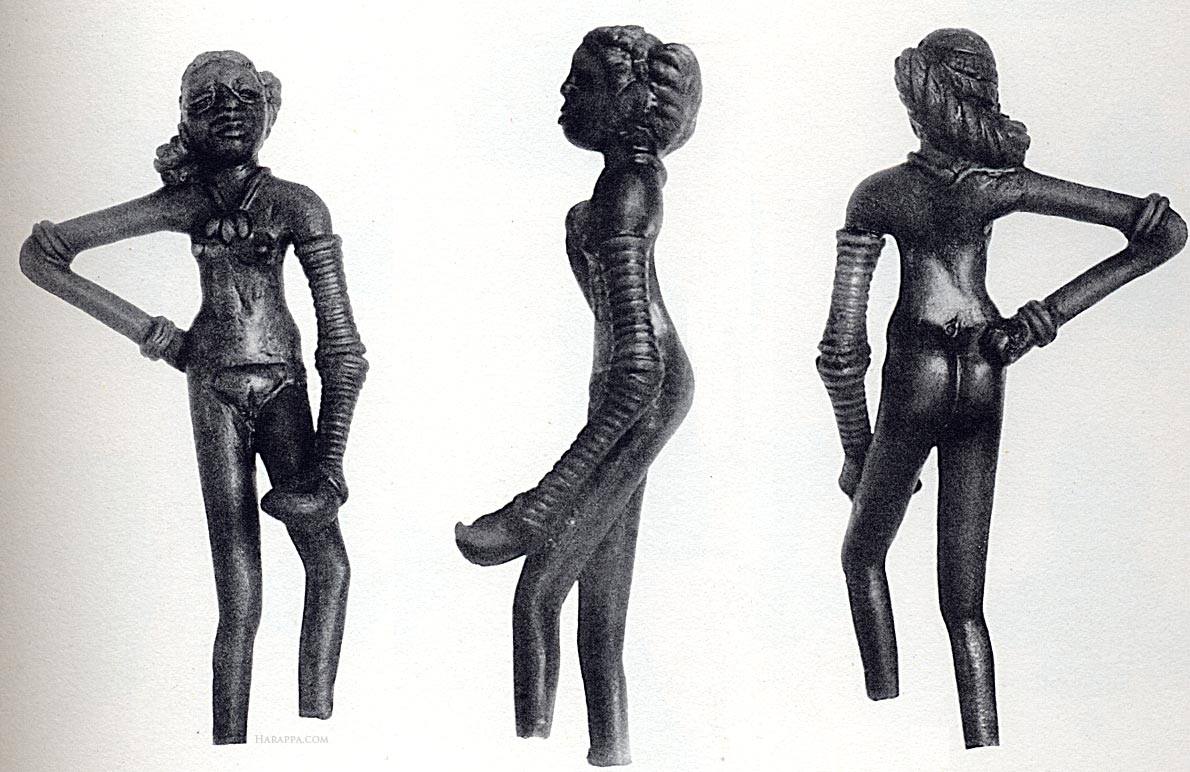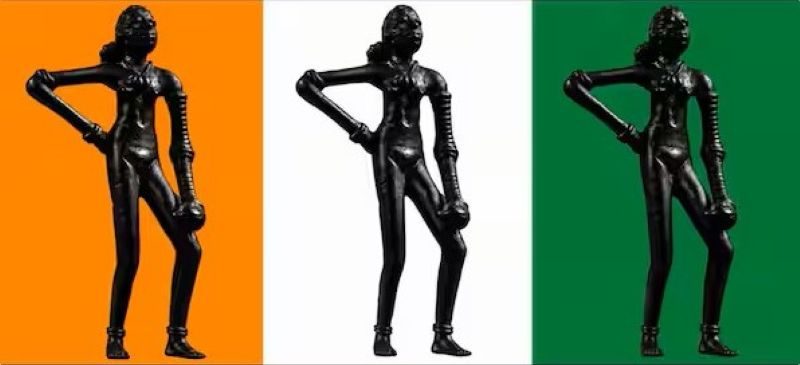
It’s time we learnt to look at the “Dancing Girl” without the borrowed gaze of Victorian morality, colonial prejudice and Islamist discomfort. … The real controversy is not about a Mohenjo-daro figurine. It is about whether Indians can see their civilisation through their own eyes. – Utpal Kumar
Historian Upinder Singh makes a striking observation in her book, Ancient India: “If the second-century BCE Chanda Yakshi were magically transported from Bharhut to 21st-century Delhi and brought to life, she would smile in disbelief. She would also be told to cover up.”
That fate has finally caught up with Mohenjo-daro’s iconic “Dancing Girl”.
In a recent Class IX NCERT textbook, the bronze figurine’s nude torso was digitally covered up. Following criticism, the original image was restored. Curiously, the Class VI textbook continues to carry the uncensored image. Apparently, NCERT believes 14-year-olds are more vulnerable to moral corruption than 11-year-olds.
The episode is more than a bureaucratic blunder. It reveals something deeper: how colonial assumptions, Victorian morality and Islamist sensibilities continue to shape how Indians view their own civilisation.
The first problem begins with the name itself: “Dancing Girl”. Why “dancing”? Just because she appears to be dancing? Or, is it because she is nude? If posture alone is the criterion, countless Yakshis adorning temples and viharas across the country would qualify as “dancing girls”.
The iconic figurine was discovered by British archaeologist Ernest Mackay during excavations at the ancient Indus Valley site of Mohenjo-daro, in present-day Sindh, Pakistan, in 1926. It was, however, John Marshall who called it the “Dancing Girl”, as it gave “a vivid impression of the young aboriginal nautch girl” in a “half-impudent posture”.
No evidence was found, or indeed given, to support the claim. The interpretation rests entirely on the conjecture of the British archaeologist whose Victorian sensibilities refused to see a nude woman as anything other than a “dancing girl”. And, like good subjects of a colony, we accepted it as gospel truth. Even a century later, Marshall’s conjecture survives as accepted fact.
Just imagine: had literary traditions not survived, many Yakshis found on numerous ancient Hindu and Jain temples and Buddhist viharas too might have been reduced to “nautch girls” by modern interpreters. Imagine, further, that human civilisation as we know it today ceases to exist almost instantly without any trace of literature and, 2,000 years from now, extraterrestrials excavate sites across the subcontinent. They would find countless statues of a man in well-tailored Western attire holding a book, pointing a finger in a particular direction. They might conclude that he belonged to the ruling elite or an upper caste. The man, of course, turns out to be Dr. B.R. Ambedkar.
Absurd? Certainly. But not entirely different from the logic used to label a 4,500-year-old Harappan figurine a “Dancing Girl”.
The second lesson is even more revealing.
The “Dancing Girl” embodies the fundamental difference between Bharat and Pakistan. It is a compelling symbol illustrating why Bharat remains a liberal democracy rooted in dharma, while Pakistan became a den of global jihad with the aspiration of becoming a citadel of political Islam.
History is instructive. When Pakistan emerged from a combination of Islamist fervour, British treachery and the Congress leadership’s rush for power and privilege, its leadership laid claim to the Harappan civilisation. After all, most Indus Valley sites excavated till then lay within Pakistan’s borders, making them the rightful custodians of the Harappan legacy.
Bharat refused, and a compromise was reached whereby Harappan artefacts were equally divided between the two nations. Pakistan was given the option of choosing either the famous “Priest King” or the iconic “Dancing Girl”. Pakistan reportedly chose the “Priest King”. The reason was simple. While the newly-carved Islamic nation was uncomfortable claiming a nude female figure as a national symbol, the narrative around the “Priest King” suited the sensibilities of Pakistan, which was to be dominated by priests (ulema) and kings (the military).
Anyway, the Pakistani claim over Harappa was, and has always been, bogus. A country that finds its civilisational anchor not in Harappa but in Islam and has no problem officially calling Mohammad bin Qasim, the Arab general who first attacked Sindh in 712 AD, the “first citizen of Pakistan”, could have nothing but distaste for the pre-Islamic roots of the land. It has embraced the Islamist conquerors over the civilisation that once flowered along the banks of the Indus. But then this is hardly surprising. As V.S. Naipaul observes in Beyond Belief: “To the convert his land is of no religious or historical importance; its relics are of no account, only the sands of Arabia are sacred.”
Against this backdrop, what is harder to understand is why Bharat increasingly seems eager to make the same choice. The NCERT episode is troubling not because an iconic statue was tampered with, but because it reflects an inability to view our past through our own civilisational lens.
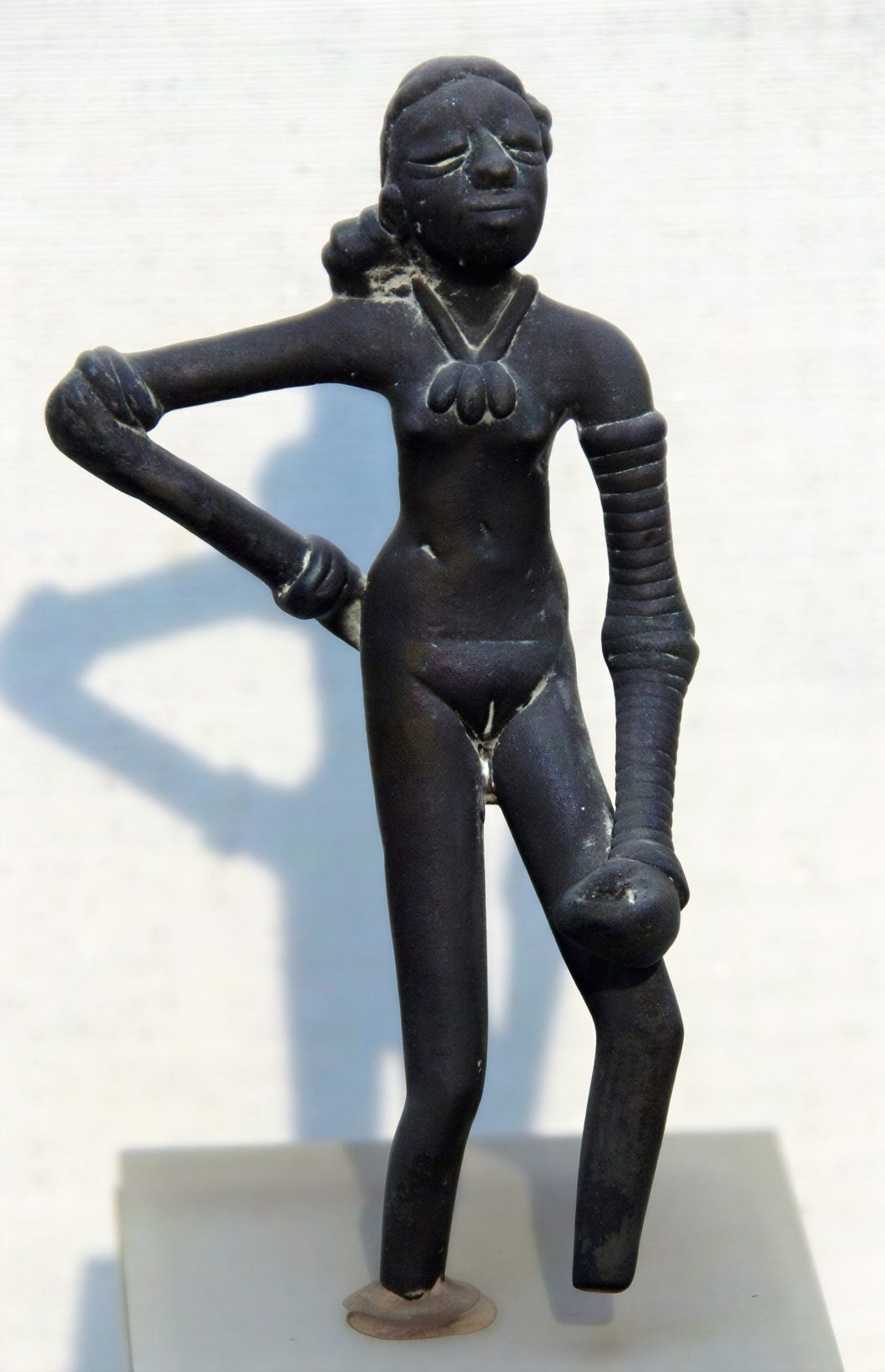
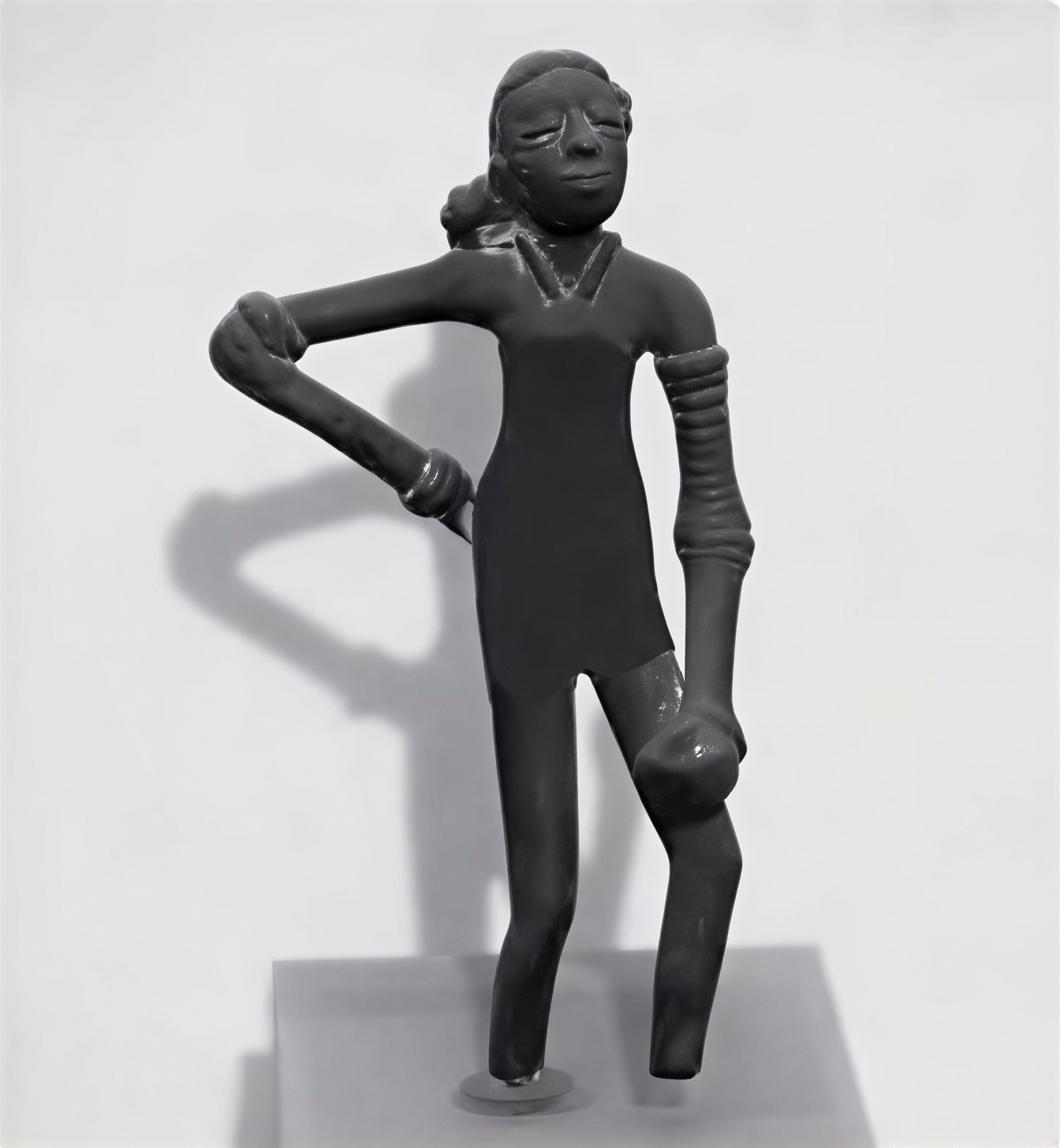
This brings us to the central issue: nudity.
For the Victorian mind, nudity was a moral problem. For political Islam, it remains an existential dilemma. For civilisational Bharat, however, it was neither. This does not mean Bharat celebrated unrestrained sensuality. Nor does it mean every form of desire was equally valued. What it means is that the civilisation recognised multiple legitimate pursuits of life. The notions of Dharma, Artha, Kama and Moksha were not contradictions; they were complementary aims.
This explains why even highly ascetic traditions such as Jainism found space for Yakshinis in their literature and temple structures. In Ancient India, Prof. Upinder Singh writes: “In Jainism, devotion to a goddess cannot lead to enlightenment, but it can help in attaining worldly goals such as prosperity, power and even victory in philosophical debates. So, although they were not the main focus of worship, goddesses did have a strong presence, endowing the austere atmosphere of Jaina temples with beauty and warmth.”
The Indic tradition rarely sought to erase what it disapproved of. It sought to contextualise, rank and transcend. Vatsyayana, whose authorship of the Kamasutra never came between his acceptance in the Sanatana tradition as a Rishi, understood this perfectly. He argued that Kama, like food, is necessary for life. Its excesses should be guarded against, but its existence cannot be denied. For him, Kama, “like food, is a means for the body’s sustenance. It is also a fruit of Dharma and Artha. Its shortcomings should be taken into account, but will one not eat food because there are beggars who need it, or not sow seeds because beasts may eat the crop?”
That insight captures the essence of the Indic worldview: restraint without puritanism, freedom without licence, and acceptance without celebration.
The real controversy, therefore, is not about a Mohenjo-daro figurine. It is about whether Indians can see their civilisation through their own eyes. Exactly a hundred years ago, the “Dancing Girl” was discovered. And for a century, we accepted the colonial categorisation of the Harappan figurine by calling her a nautch girl. Today, we are willing to clothe her to satisfy our “modern” sensibilities. In the process, both Bharat’s history and its civilisational understanding get compromised.
It’s time we learnt to look at the “Dancing Girl” without the borrowed gaze of Victorian morality, colonial prejudice and Islamist discomfort. – Firstpost, 18 June 2026
› Utpal Kumar is the author of the book, ‘Eminent Distorians: Twists and Truths in Bharat’s History’.